

Hi, I’m Brigid! Many know me as Professor Cook.
If you’re interested in learning more about dyslexia or the Science of Reading, I would love to connect and share what I’ve learned— both personally & professionally.

Dyslexia is how I met my talent.


What Is Dyslexia and How Does It Affect Reading & Writing?
Area of Expertise:
Let’s connect if you’d like to learn more about dyslexia therapy or determine whether it’s a right fit for you or your child
Dyslexia Therapy
One-on-one dyslexia therapy for learners with dyslexia and other language-based learning differences.
Structured Literacy instruction grounded in the Orton-Gillingham methodology.
Diagnostic and prescriptive instruction tailored to each learner's individual needs.
Area of Expertise:
Let’s connect if you want to book a Professional Development session to train educators.
Professional Development
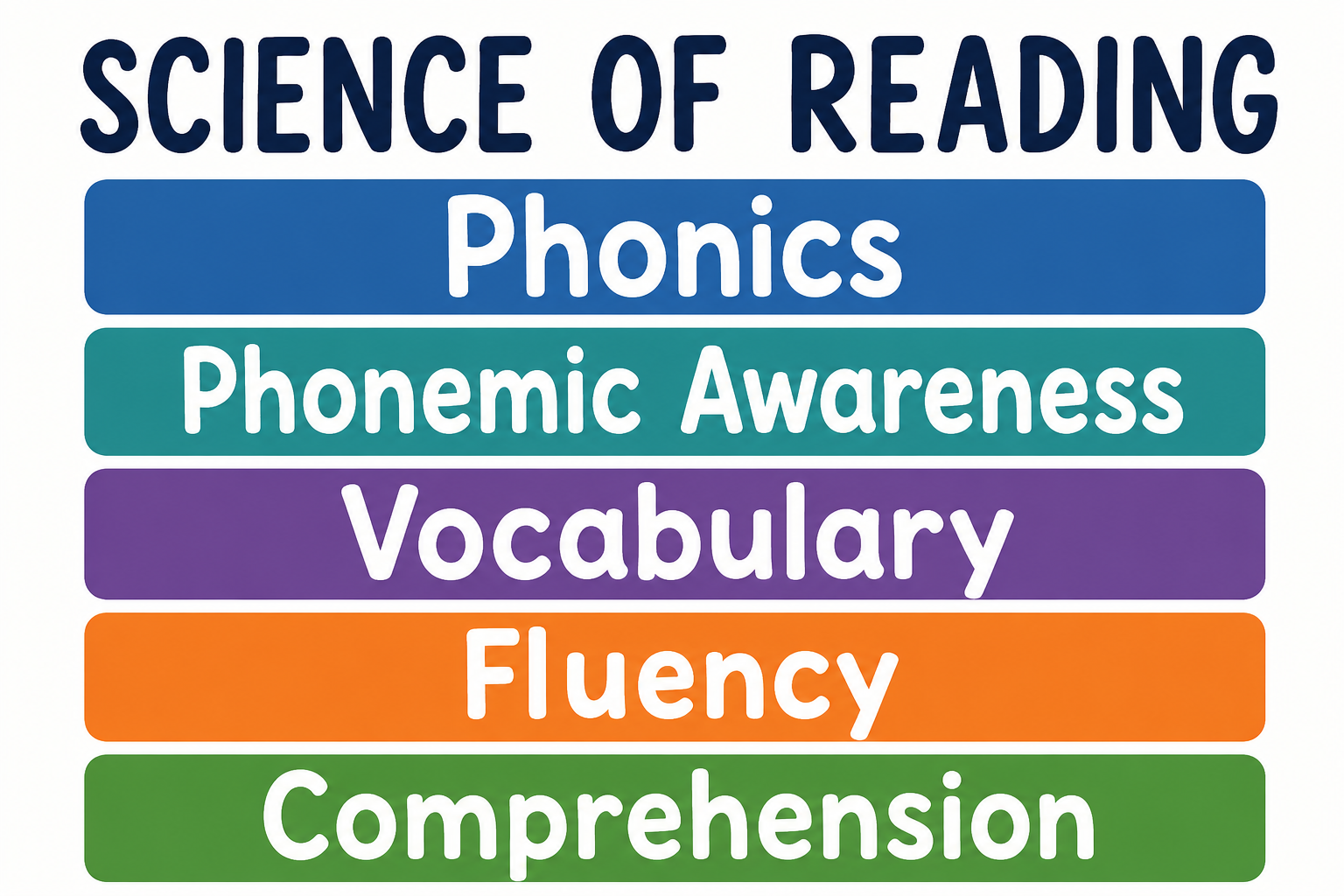
Professional development on the Science of Reading
Evidence-based literacy practices for early care and education providers
Evidence-based literacy practices for Pre-K–12 educators and school systems.
Brigid Moran Cook, M.Ed., C.A.S.
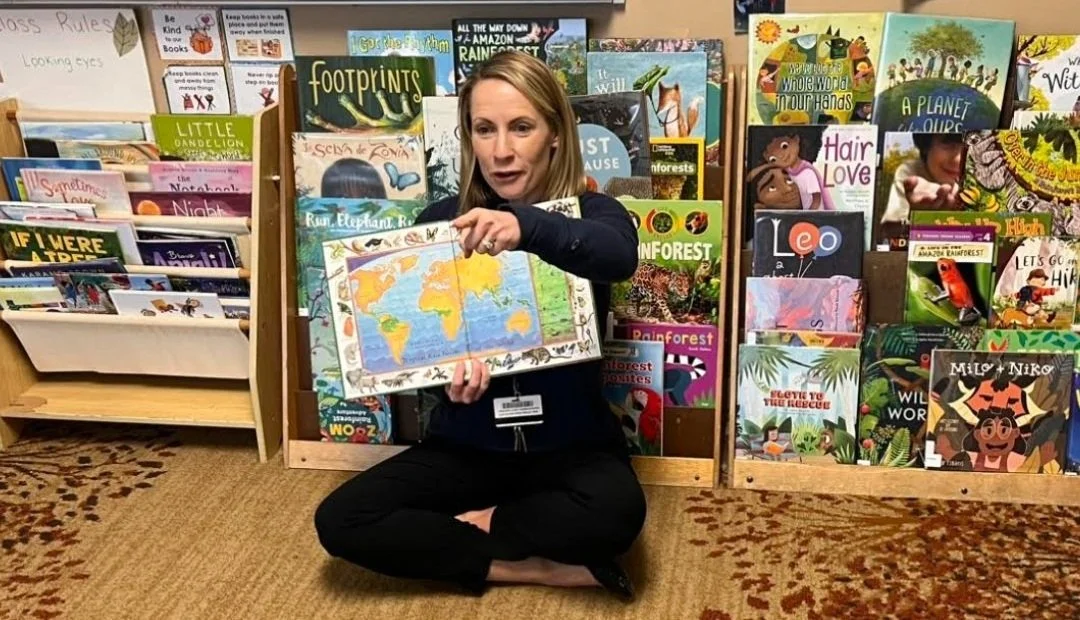

Dyslexia Specialist & Science of Reading Professor
-
My mission is to empower students, families, educators, librarians, and communities with the knowledge and evidence-based strategies to understand dyslexia, support literacy development, and ensure every learner has the opportunity to become a confident reader.
-
My approach is grounded in the Science of Reading (SoR), which is informed by decades of interdisciplinary research, including meta-analytic studies across the fields of neuroscience, cognitive science, linguistics, psychology, and education. I apply evidence-based literacy practices to support and educate teachers, and I use a therapeutic Orton-Gillingham approach in my private practice to provide structured literacy instruction for learners with dyslexia. This instruction is diagnostic and prescriptive, meaning it is carefully tailored to each learner’s individual needs and profile, following the same principles and level of training emphasized through my Certified Academic Language Therapist (CALT) credential.
-
Dyslexia is a neurobiological learning difference with a strong genetic component that influences how individuals learn to read, and it is central to both my personal and professional journey.
I am dyslexic.
I inherited this learning difference from my dad, although he has never been formally diagnosed. When I was in elementary school, my mom did not have the knowledge or resources to recognize or understand dyslexia; however, as a mother, she simply knew that I was struggling with reading.
Like many students with dyslexia, I learned to compensate by memorizing words rather than developing the foundational skills needed to decode and understand the written code of our spoken language. As academic expectations increased and reading demands became more complex, these compensatory strategies were no longer enough, and reading became increasingly challenging.
Throughout my educational journey, I experienced significant challenges and feelings of shame. At one point, as a middle school student, I was told that teaching would not be the right career path for me.
Today, I am proud to be a professor of education, where I combine my professional expertise and lived experience to prepare educators, support learners, and advocate for individuals with dyslexia.
Through the Science of Reading, I now understand the research behind how the brain learns to read and the evidence-based instructional practices that support struggling readers. This knowledge has transformed my understanding of dyslexia and strengthened my commitment to ensuring that all learners receive the instruction and support they need to succeed.
Even with all my knowledge and experience, I have witnessed firsthand how challenging it can be to navigate a school system that may not always have the training, resources, or time needed to adequately support a student with dyslexia.
My daughter has also inherited this neurobiological difference, giving me an even deeper perspective as both an educator and a parent.
Dyslexia can make learning the written code of language more challenging; however, navigating the educational system can often add another layer of difficulty for students and families.
I am here to help answer the questions that many families are left wondering: “Why is this so hard? What is happening? And how can it get better?”
There are answers to these questions, and I can help.
My daughter and I like to say, “Dyslexia is how we met our talents.”
My talent is educating others about dyslexia and literacy, and I hope to help individuals with dyslexia recognize, embrace, and celebrate their own individual strengths.